

You'll Learn
- Types of Garbage Bags
- What Are the 5 Types of Garbage Bags?
- 1- Clear Garbage Bags — Transparency for Compliance
- 2-Black Garbage Bags — Privacy and Odor Control
- 3- Heavy Duty Garbage Bags — Built for Strength
- 4- Compostable & Biodegradable Garbage Bags — Sustainable Alternatives
- 5- Contractor garbage Bags / Construction garbage Bags — Maximum Durability
- How to Choose the Right Garbage Bag Type
- Are There Color Codes for Heavy Duty liners for Different Types of Waste?
- Common Mistakes & How to Avoid Them
- Comparison: Types of Garbage Bags
- FAQs: Types of Garbage Bags for Industrial Use
- Best Types of Garbage Bags for Business
Types of Garbage Bags
Choosing the right types of garbage bags might seem simple, but the type you select affects hygiene, efficiency, and compliance. A thin bag at a construction site can tear. A clear bag may be required for inspections as part of a recycling program. The wrong choice creates spills, extra cleanup, and wasted money. Businesses and facilities generate different waste streams—offices need general liners, healthcare sites require compliance-ready solutions, and construction teams need puncture-resistant contractor bags. Understanding the differences helps you make informed decisions. This guide explains 5 types of garbage bags and when to use each one.
Why Garbage Bag Type Matters
A garbage bag is more than a container. It protects floors, supports hygiene, and helps compliance. Facilities that choose the wrong type often experience a range of issues that disrupt operations and inflate costs:
- Leaks and spills that compromise cleanliness and create slip hazards.
- Regulatory risks when waste segregation requirements are not met.
- Higher procurement costs from frequent double-bagging and waste.
- Workplace safety concerns from torn liners and exposed debris.
- Inefficient waste handling that slows down housekeeping operations.
Selecting appropriate liners reduces these risks. It also improves operational workflows and sustainability outcomes. According to recent Canadian waste management statistics, facilities generate significant volumes of commercial refuse annually, making proper liner selection critical for operational efficiency.
What Are the 5 Types of Garbage Bags?
Garbage bags come in several designs; each is built for specific applications. The primary categories include clear garbage liners, black garbage bags, heavy-duty garbage bags, biodegradable and compostable bags, and contractor or construction bags. Each type serves a distinct purpose, and using the right liner improves waste handling and operational efficiency across every department of your facility.
1- Clear Garbage Bags — Transparency for Compliance
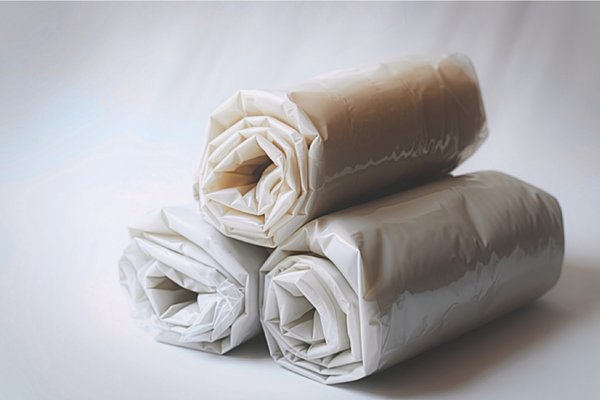
Clear bags allow contents to be inspected, and this single feature makes them a cornerstone of recycling programs and compliance audits. When inspectors, custodial staff, or waste haulers can see what is inside a bag without opening it, sorting becomes faster and contamination drops. Clear liners prioritize transparency above all else—a quality that matters in regulated environments like healthcare, food service, and recycling streams.
Best uses include recycling streams, healthcare inspections, food service audits, and waste segregation programs.
Advantages: visibility for compliance, support for recycling initiatives, easier verification for inspectors, and encouragement of proper waste separation among staff.
Disadvantages: contents are visible, which makes them unsuitable for general refuse where discretion or odor concealment is preferred.
When to Use Clear Bags
Use clear liners when waste must be inspected or sorted. Many recycling programs require transparent bags so materials can be verified before processing, and several municipalities now mandate clear bags for curbside recycling pickup to reduce contamination at sorting facilities.
2-Black Garbage Bags — Privacy and Odor Control

Black bags conceal contents and help contain odors, which makes them the default choice for general waste in offices, hospitality operations, and public-facing facilities. The opaque material reduces visual clutter in busy spaces and keeps mixed refuse discreet during transport from collection points to dumpsters. Black liners prioritize privacy and odor containment, and they remain the most widely available trash bag category on the commercial market.
Best uses include office refuse, hospitality operations, general facility waste, and any environment where discretion is required.
Advantages: contents are hidden, visual clutter is reduced, mixed waste is handled cleanly, and the bags are widely available in every size range.
Disadvantages: not ideal for recycling audits, and may violate transparency requirements in certain compliance programs.
When to Use Black Bags
Use black liners for mixed waste where inspection is unnecessary. Offices and hospitality facilities often prefer them for aesthetic and privacy reasons, especially in customer-facing areas where the appearance of trash receptacles matters.
Clear vs Black Garbage Bags — Which Is Better?
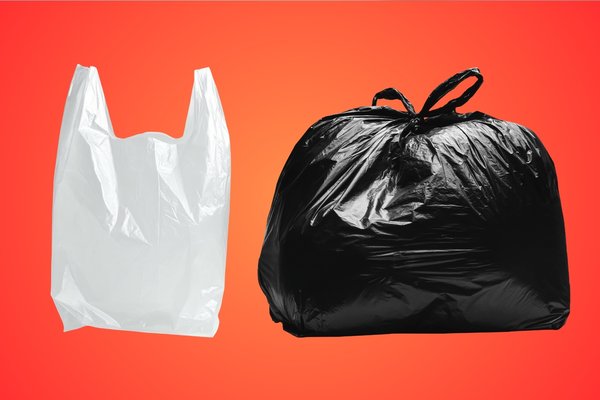
There is no universal winner—the choice depends entirely on operational needs. Clear bags excel where visibility supports compliance and recycling programs require verification of contents. Black bags win where privacy, odor control, and aesthetics matter more than inspection. Many facilities use both: clear liners at recycling stations and black liners at general waste collection points. The key is to align liner color with program requirements rather than defaulting to whatever was ordered last quarter.
- Use clear bags for compliance and recycling programs.
- Use black bags for general refuse where privacy matters.
- Always align bag color with the specific program requirements of your facility.
3- Heavy Duty Garbage Bags — Built for Strength
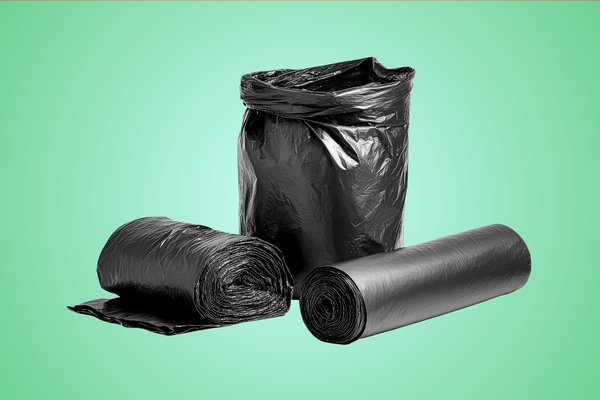
Heavy-duty bags resist punctures and support higher weight loads, and they are engineered specifically for demanding environments where standard liners would fail repeatedly. Industrial operations, warehouses, high-volume facilities, and any setting that generates mixed or sharp waste streams will see immediate benefits from upgrading. Standard liners often tear under these conditions, causing spills, cleanup delays, and safety incidents—heavy-duty options reduce all of these and pay back the higher unit cost through fewer disruptions.
Advantages: improved puncture resistance, higher load capacity, industrial suitability, and fewer operational disruptions during waste collection rounds.
Disadvantages: they cost more than standard liners and are unnecessary for light office litter where a thinner bag would suffice.
Signs You Need Heavy-Duty Liners
Watch for these indicators that signal your current liners are insufficient for the job:
- Frequent tears that require double-bagging or emergency cleanup.
- Sharp debris in the waste stream from packaging, broken items, or industrial offcuts.
- Heavy loads that exceed the rated capacity of standard kitchen-grade liners.
- Recurring operational disruptions caused by leaks during waste transport.
High-performance liners are often manufactured to meet ASTM plastic film performance standards, ensuring reliable puncture resistance and load capacity in industrial environments.
4- Compostable & Biodegradable Garbage Bags — Sustainable Alternatives
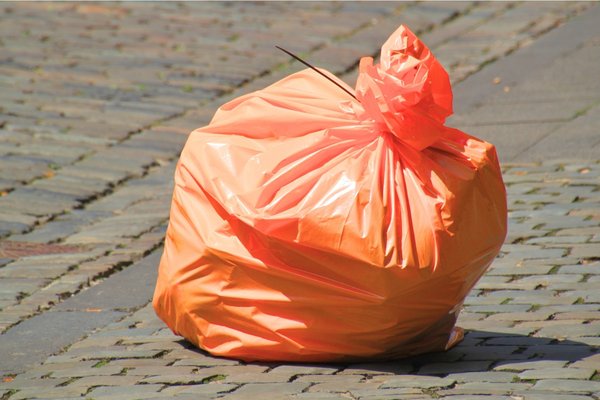
Sustainability matters for modern businesses, and biodegradable and compostable options reduce environmental impact significantly when matched with the right disposal infrastructure. There is an important distinction between the two terms: biodegradable bags break down naturally over time, while compostable bags are certified to decompose under controlled conditions within commercial composting facilities. Compostable liners often meet standards set by ASTM International for material breakdown, and certification matters for compliance and accurate environmental claims.
Best uses include organic waste programs, ESG initiatives, municipal compost systems, and food service operations where organics are collected separately.
Advantages: reduced environmental impact, alignment with sustainability goals, and support for ESG reporting requirements.
Disadvantages: not ideal for heavy or sharp trash, moisture exposure can reduce strength, and compost infrastructure varies dramatically by region.
Sustainability Considerations
Environmental responsibility increasingly influences procurement decisions, and compostable options support sustainability objectives—but only when the appropriate disposal systems are actually available downstream. A compostable bag thrown into a landfill behaves much like a regular plastic bag for a long time. Facilities implementing recycling or compost programs should align with the EPA Sustainable Materials Management guidelines to ensure proper material separation and landfill diversion strategies.
5- Contractor garbage Bags / Construction garbage Bags — Maximum Durability
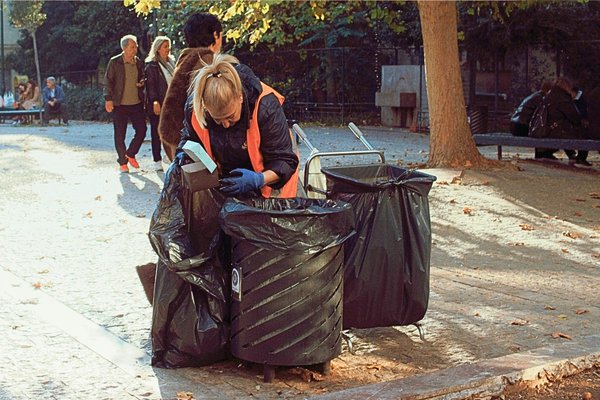
Construction sites generate sharp and heavy debris that destroys ordinary liners within minutes. Contractor bags typically come in 30–60 gallon sizes with thickness ratings ranging from 2 mil to 4 mil, where higher mil values provide greater puncture resistance and durability for heavy debris. Common options include 33-gallon by 3 mil for general construction residuals and 55–60 gallon by 4 mil for demolition and industrial projects. These bags are not interchangeable with kitchen liners—the material, gauge, and seam construction are all engineered for an entirely different class of waste.
Best uses include demolition debris, wood splinters, drywall fragments, and metal scraps from renovation and industrial work.
Advantages: high puncture resistance, thick construction, suitability for industrial debris, and a dramatic reduction in spills on job sites.
Disadvantages: unnecessary for light office waste and noticeably more expensive than standard liners on a per-bag basis.
When to Use Contractor Bags
Use contractor liners for construction and renovation projects of any scale. They protect work areas, simplify debris collection, and prevent the all-too-common scenario of a torn bag dumping nails and broken drywall across a finished floor on the way to the dumpster.
How to Choose the Right Garbage Bag Type
Selecting the correct liner requires understanding trash characteristics and matching them to the right product. A simple four-step framework works for nearly every procurement decision.
Step 1: Identify Waste Type. Determine whether the stream is recycling, general refuse, construction debris, or organic waste. Each category has different bag requirements.
Step 2: Assess Load Weight. Heavy loads require stronger materials. If your team routinely double-bags, the gauge is wrong for the job.
Step 3: Consider Compliance Needs. Healthcare and recycling programs often require clear liners for inspection, while certain biohazard streams require color-coded bags.
Step 4: Evaluate Sustainability Goals. Compostable options support environmental initiatives where appropriate processing infrastructure exists.
Decision Framework
- Recycling streams → clear bags for visibility and compliance.
- Heavy debris → contractor or heavy-duty bags for puncture resistance.
- General mixed waste → black bags for privacy and odor control.
- Organic waste → compostable bags where compost infrastructure exists.
Are There Color Codes for Heavy Duty liners for Different Types of Waste?
Yes—many industries use color-coded garbage bags to support waste segregation, safety, and regulatory compliance. Healthcare facilities may use red for biohazard waste and clear for inspection, while construction and industrial sites often use black for general debris and blue or green for recyclable materials. Adopting a consistent color scheme across your facility reduces sorting errors and makes audits faster.
Common Mistakes & How to Avoid Them
Even experienced procurement teams make recurring errors when ordering garbage bags. Avoiding these four mistakes will save money and prevent operational headaches.
Mistake 1: Using Standard Bags for Heavy Debris. Standard liners tear under sharp materials, leading to spills and double-bagging. Use contractor or heavy-duty options for any waste stream containing sharp or heavy items.
Mistake 2: Choosing the Wrong Color. Clear bags may be required for audits and recycling programs, and black bags are unsuitable for inspection environments. Match the color to the program, not personal preference.
Mistake 3: Ignoring Sustainability Requirements. ESG initiatives increasingly influence procurement decisions, and compostable options can directly support corporate environmental goals when the infrastructure supports them.
Mistake 4: Overlooking Load Capacity. Exceeding weight limits causes tears and spills. Always match bag capacity to actual waste volume rather than relying on what was historically ordered.
Comparison: Types of Garbage Bags at a Glance
The quick reference below summarizes how each of the five types compares across the dimensions that matter most in procurement decisions: strength, ideal application, and compliance posture.
| Type | Strength | Best Use | Compliance |
|---|---|---|---|
| Clear | Medium | Recycling | High |
| Black | Medium | General waste | Low |
| Heavy-Duty | High | Industrial | Varies |
| Compostable | Medium | Organic waste | ESG-aligned |
| Contractor | Very High | Construction | Industrial |
FAQs: Types of Garbage Bags for Industrial Use
Q: What are the main types of garbage bags?
The five main categories are clear, black, heavy-duty, compostable, and contractor liners. Each serves a distinct waste stream and operational need.
Q: When should I use clear bags?
Use clear liners for recycling programs, compliance audits, and any environment where waste contents must be inspected without opening the bag.
Q: Are compostable bags suitable for all waste?
No. Compostable bags work best for organic waste and only where controlled compost systems exist to actually process them.
Q: What makes contractor bags stronger?
Thicker material (typically 2–4 mil), reinforced seams, and higher puncture resistance designed specifically for sharp construction debris.
Q: Do black bags support recycling?
No. Clear trash liners are typically required for recycling programs because sorting facilities and inspectors need to verify contents.
Q: How do I choose the right bag?
Identify waste type, assess load weight, consider compliance requirements, and align with sustainability goals.
Q: Are heavy-duty bags recyclable?
Material recyclability varies by manufacturer and region. Check with your local waste hauler and the product specification sheet for confirmation.
Q: Why are heavy-duty garbage bags often black in color?
Heavy-duty garbage bags are often black because the dark color conceals debris, stains, and industrial waste while providing UV resistance and a uniform appearance for high-volume commercial and construction use.
Best Types of Garbage Bags for Business
The right types of garbage bags improve operational efficiency and compliance across every facility category. Clear trash liners support recycling and inspection programs. Heavy-duty options handle demanding industrial environments where standard bags routinely fail. Compostable liners reduce environmental impact and align procurement with ESG reporting. Contractor liners protect against sharp construction debris that would shred any kitchen-grade product. Selecting appropriate liners reduces spills and procurement costs while supporting workplace hygiene and sustainability goals at the same time.
Where Can I Buy High-Quality Heavy-Duty Garbage Bags Online?
For bulk purchasing and dependable supply, buy heavy-duty garbage bags online from Winsham. With distribution across Canada, Winsham provides scalable commercial solutions designed for multi-site operations, procurement teams, and facility managers seeking cost-effective waste solutions.
Need help selecting the right liners? Explore our range of commercial trash can liners, or contact our team for product recommendations and bulk pricing tailored to your facility's needs.